The First 30 Seconds: How Buyers Decide If They Love a Home
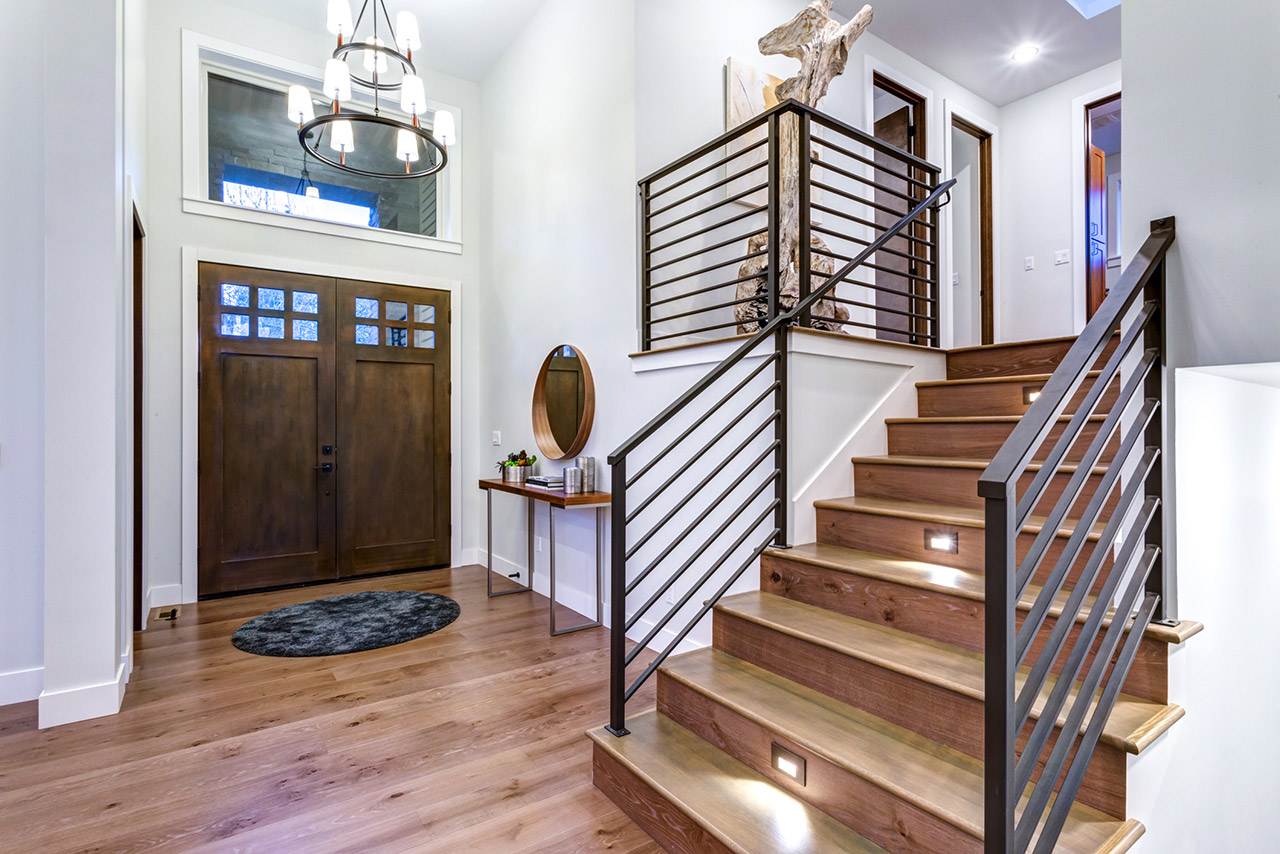
It may sound dramatic, but it’s true: most buyers form an emotional opinion about a home within the first 30 seconds of walking through the door. Before they’ve seen the backyard, checked the square footage, or opened a single cabinet, they already have a feeling—and that feeling often determines whether they fall in love or start mentally moving on.
Understanding what happens in those crucial first moments can make all the difference when preparing a home for sale.
Why the First Impression Matters So Much
Buying a home is emotional. While buyers rely on data, budgets, and inspections, their initial reaction is almost always instinctive. The brain is quickly asking: Does this feel right? Can I picture my life here?
If the answer is yes, buyers are more forgiving of flaws they notice later. If the answer is no, even a beautiful kitchen or perfect floor plan may not be enough to change their minds.
That’s why the opening moments matter more than many sellers realize.
What Buyers Notice Immediately
In those first 30 seconds, buyers aren’t analyzing—they’re absorbing. Here’s what typically stands out right away:
1. Curb Appeal Sets the Tone
The experience begins before buyers step inside. An overgrown lawn, peeling paint, or cluttered porch can create hesitation before the door even opens. On the flip side, a clean exterior, trimmed landscaping, and a welcoming entry instantly build confidence.
Buyers often assume that if the outside is well cared for, the inside will be too.
2. Light and Space
As soon as buyers walk in, they register how bright and open the home feels. Natural light is one of the strongest emotional drivers in real estate. Dark rooms, heavy drapes, or blocked windows can make a home feel smaller and less inviting—even if it’s not.
Simple changes like opening blinds, turning on lights, and removing bulky furniture can dramatically change this first impression.
3. Smell (Yes, Really)
Scent is powerful and often subconscious. Fresh, clean air makes a home feel well maintained. Lingering pet odors, heavy cooking smells, or overly strong air fresheners can immediately turn buyers off.
The goal isn’t to make the home smell like something—it’s to make it smell neutral and clean.
4. Entryway Impact
The entryway is a psychological transition point. Buyers are mentally shifting from the outside world into “this could be my home.” A cramped, cluttered, or dark entry can feel jarring, while a clean, open, and styled space feels welcoming.
Even small touches—like a mirror, a simple console table, or fresh flowers—can elevate this moment.
The Emotional Checklist Buyers Run Instantly
Within seconds, buyers are subconsciously asking themselves:
- Does this feel comfortable?
- Does it feel clean and well cared for?
- Can I imagine my furniture here?
- Does this match my lifestyle?
If the home answers these questions positively, buyers relax and begin exploring with curiosity instead of criticism.
How Sellers Can Win the First 30 Seconds
The good news? You don’t need a full renovation to make a strong first impression. Focus on these high-impact steps:
Declutter Ruthlessly
Clutter makes spaces feel smaller and distracts buyers from the home itself. Clear countertops, remove excess furniture, and simplify décor—especially near the entry and main living areas.
Deep Clean Everything
Buyers notice cleanliness immediately, even if they can’t articulate it. Floors, baseboards, windows, and light fixtures should all be spotless. A clean home signals care and pride of ownership.
Let the Light In
Maximize natural light by opening blinds, removing heavy curtains, and trimming exterior landscaping that blocks windows. Replace dim bulbs with bright, warm lighting to create an inviting glow.
Neutralize and Depersonalize
Bold colors and personal items can make it harder for buyers to picture themselves in the home. Neutral tones create a blank canvas and help buyers mentally move in.
Create a Welcoming Flow
Make sure the path from the front door into the main living space feels open and intuitive. Rearranging furniture to improve flow can have an outsized impact on how the home feels in those first moments.
First Impressions Create Momentum
When buyers love a home within the first 30 seconds, everything that follows feels better. Rooms seem larger. Layouts make more sense. Minor flaws feel manageable. That initial emotional connection creates momentum that often leads to stronger offers and faster decisions.
In real estate, you rarely get a second chance at a first impression. By focusing on what buyers experience in those opening moments, sellers can dramatically improve how their home is perceived—and increase the odds that buyers don’t just like the home, but truly fall in love with it.
